Good morning. Power is being tested on every front — from Arizona’s attorney general threatening to sue the House Speaker over a stalled swearing-in, to revelations that the Trump administration quietly gave the C.I.A. authority to act in Venezuela, to a Washington carjacking case that’s reigniting debate over lenient juvenile justice.
Arizona’s Attorney General Takes on Washington
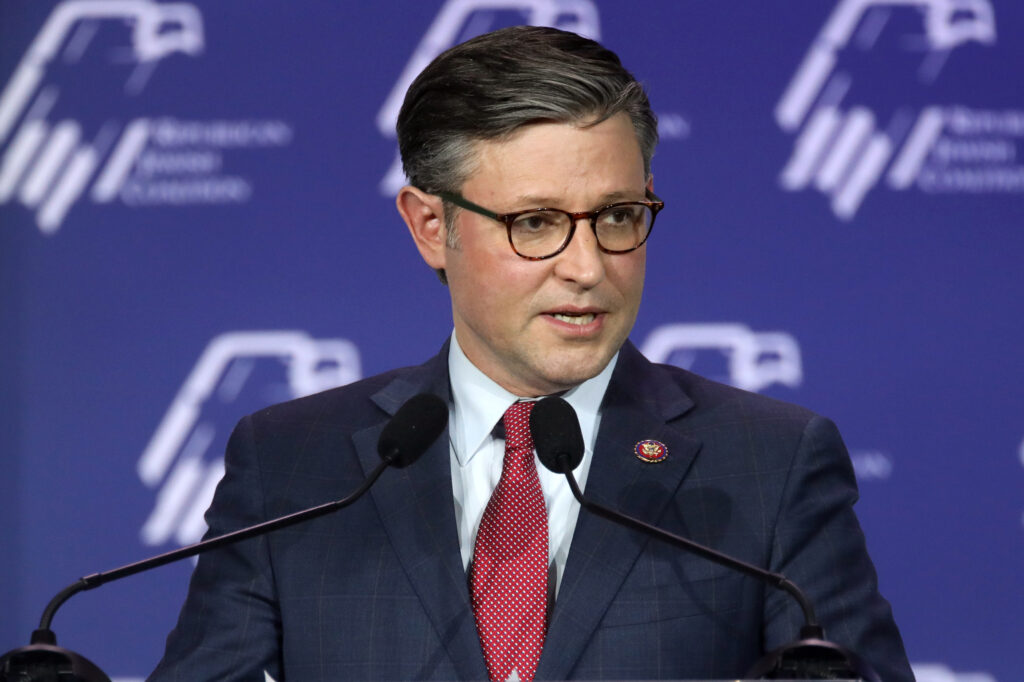
In a move that’s as rare as it is fiery, Arizona Attorney General Kris Mayes is threatening to take House Speaker Mike Johnson to court. Her grievance? Johnson’s ongoing refusal to swear in Rep.-elect Adelita Grijalva, the Democrat chosen to fill her late father’s seat in southern Arizona.
Mayes, appearing on CNN, accused Johnson of “holding the state hostage” — even suggesting the delay may be tied to the fight over the release of Jeffrey Epstein’s government files. Grijalva, elected nearly a month ago, has been left in bureaucratic limbo: her office has keys, but no working phones, internet, or computers.
Mayes’s letter to Johnson was scathing, calling his explanations “absurd” and demanding Grijalva’s immediate swearing-in. With flooding affecting parts of Arizona’s Seventh District, Mayes argued, “She has no way to help those people.” If Johnson doesn’t act soon, she warned, “we’ll be forced to seek judicial relief.”
The showdown has shades of both political theater and constitutional crisis — with one of the nation’s top state attorneys now threatening to drag the Speaker of the House into court.
Trump’s Venezuela Playbook — The C.I.A. Goes Covert
Meanwhile, new reporting from The New York Times reveals that the Trump administration secretly authorized the C.I.A. to conduct covert operations in Venezuela, a sharp escalation in the U.S. effort to oust Nicolás Maduro.
The classified “presidential finding,” approved during Trump’s tenure, reportedly gives the agency authority to take lethal or non-lethal action — alone or alongside the military — against Maduro’s regime. Officials say the move was part of a broader strategy crafted by then–Secretary of State Marco Rubio and C.I.A. Director John Ratcliffe, who vowed to make the agency “less risk-averse” and “more willing to go where no one else can.”
With 10,000 U.S. troops and a fleet of Navy warships already stationed across the Caribbean, the Trump-era plans show how close Washington came to a possible military confrontation in the hemisphere. While the C.I.A.’s current posture remains unclear, the reporting underscores the lingering aftershocks of an administration that blurred the line between diplomacy and clandestine force.
A D.C. Carjacking and a Justice System Under Scrutiny
Finally, in Washington, a shocking twist to a brutal crime story. Edward “Big Balls” Coristine — a tech figure known for his work on Elon Musk’s DOGE team and his outsized personality — was left bloodied and concussed after an attempted carjacking by a group of teens. Two 15-year-olds were arrested, one also linked to a gas station robbery that same night.
But neither will see jail time. The boy received 12 months of probation under house arrest, and the girl got nine months in a youth shelter. The judge ruled that juvenile court is meant to rehabilitate, not punish.
Coristine, still recovering from his injuries, expressed frustration at what he called a “revolving door” of justice. For many in D.C., the case highlights the growing tension between public safety fears and progressive criminal justice policies in America’s capital.