

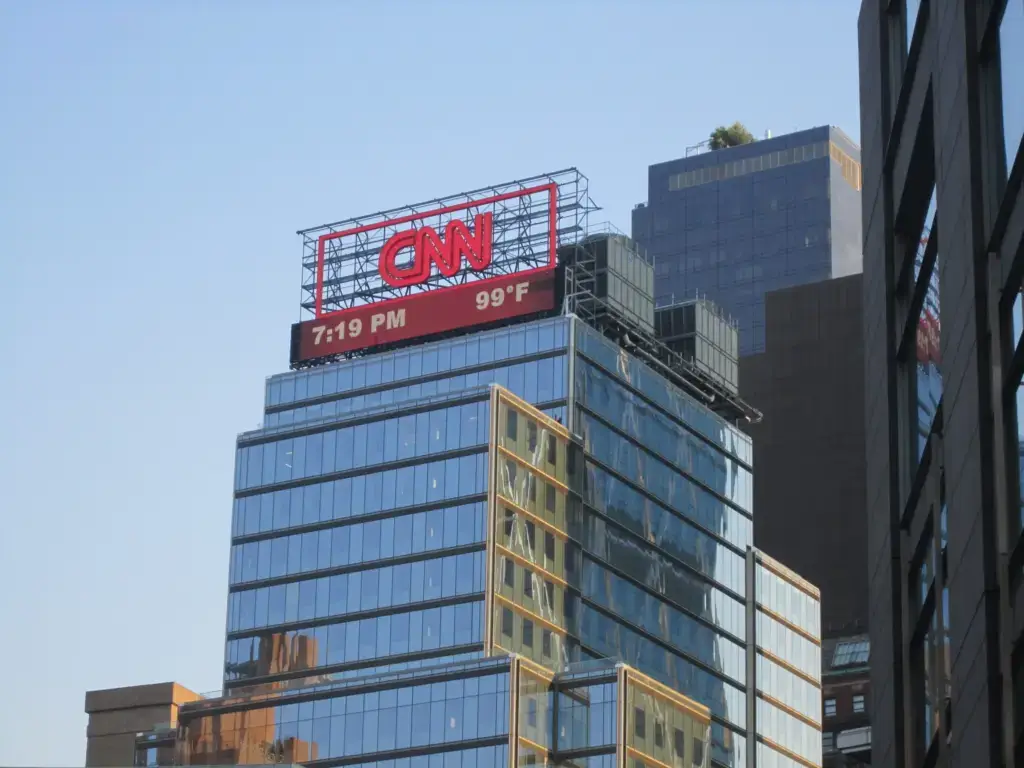
Americans’ trust in the mass media has reached its lowest point in more than 50 years, according to a recent Gallup survey, highlighting a growing divide along generational and political lines.
In 1972, Gallup found that a majority of Americans, 68%, trusted the mass media to report the news “fully, accurately, and fairly.” This figure continued to rise over the next few years, peaking at 72% in 1976. However, by the turn of the century, public trust began to deteriorate, dropping to 51% in 2000 and then further to 44% by 2004. The decline has been gradual, but it became particularly pronounced in recent years, especially around the time of the 2016 presidential election, when trust fell to just 32%.
The trend continued into 2024, with only 31% of Americans expressing trust in the media, marking the lowest level in Gallup’s history of tracking public confidence in the press. This decline is reflective of broader dissatisfaction with the role of the media in shaping public opinion and delivering information.
One of the most significant trends identified by Gallup is the sharp decline in trust among Republicans. The survey revealed that 59% of Republicans have no trust at all in the mass media, a figure that has surged in recent years, particularly after 2015, when Donald Trump entered the political scene. Between 2015 and 2017, distrust among Republicans rose by 21 percentage points, reaching 48% in 2017. By 2020, over half of Republicans (51%) expressed no trust in the media, and this lack of confidence has remained consistently high since then.
Independents have also shown growing skepticism, with 42% of them now reporting little to no trust in the media. In contrast, trust remains relatively high among Democrats, with only 6% of them expressing distrust in the media. This stark divide reflects the growing polarization of American politics, with each party viewing the media through a different lens—Republicans tending to view it as biased and unreliable, while Democrats often rely on traditional outlets as a source of information.
Gallup’s survey also highlighted a significant generational divide in media trust. Younger Americans, particularly those under 50, show considerably lower levels of confidence in the press compared to their older counterparts. The gap is particularly pronounced between those aged 65 and older, who have a trust rate of 43%, and those under 50, who have only a 26% trust rate. This generational divide is likely influenced by the rise of digital media and social platforms, where younger people often get their news from alternative sources.
This sentiment has been further fueled by the political changes in the U.S., particularly under the Trump administration, which embraced alternative media outlets like Breitbart News and encouraged a more diversified media environment. The Trump administration’s overhaul of the White House Correspondents’ Association (WHCA) and its move to allow new media outlets to gain access to the press pool marked a significant shift away from the establishment press. As expected, this traditional media organizations resisted this change, as they were accustomed to having exclusive access to White House briefings.
As traditional media outlets face growing competition from alternative and digital sources, the media landscape in the U.S. is becoming increasingly fragmented, with Americans seeking news from a wider array of platforms.
READ NEXT: White House Shakes Up Press Pool Process




















Great! Make America Clean Again. MACA. Start with CNN. An International liar promoter of hate wrongdoings and killings.
I trust the media to lie or at least present biased information. The bias is there in plain sight or print. It is like the journalism schools no longer teach Who, What, Where, and When which is all the information we need, as the Why may not be known initially and speculation leads to opinion and sensationalism and maybe conspiracy. It is like the objective in today’s media is to create sensation or a name for the writer, the by-line is no longer enough. Or.the objective is to see how many words or pages can be created like our legislative bodies do with all of the enormously large Bills they write. Quantity not Quality; some articles I read today even repeat whole paragraphs!